What is Scoliosis?
Understanding spinal curvature, how scoliosis develops, and what it means for your spine.
Scoliosis is described as a torsional deformity of the spine, defined by one or more of the convexities. In order to be classified as scoliosis, there needs to be a cobb angle of >10 degrees (aka “side bend” on an XRAY) WITH rotation of the vertebrae towards the concavity (aka the “compressed” side).
We constantly communicate with your doctor to ensure we are all working together to achieve the best outcome for you.
Scoliosis affects approximately 2-3% of children and teenagers. It’s more common in girls than boys, particularly in girls aged 10-13 years.
What are some signs of scoliosis?
- Head tilt or turn
- Uneven shoulders
- Uneven waist shape
- Pelvic shift
- Uneven bony prominences
How do we diagnose scoliosis?
We diagnose scoliosis by using a combination of a clinical examination along with checking our findings against your XRAY/EOS scans. For a more detailed explanation, please refer to the comprehensive assessment section.
Types of scoliosis
20% of cases are secondary to another condition
- Congenital – hemi-vertebrae, spina bifida, etc.
- Neuromuscular – CP, SMA, DMD, etc.
- Syndromic – Marfan’s, Ehler’s Danlos, Muscular Dystrophy, etc.
- Disease – Tumor, TB, Osteoporotic fracture
The other 80% of cases is idiopathic, meaning no known cause. These are defined based on the period of life in which the scoliosis emerged
- Infantile (<2yo)
- Juvenile (3-9yo)
- Adolescent (10-17yo)
- Adult Onset or De Novo (18+)
What causes idiopathic scoliosis?
Some factors include:
- Genetics
- Metabolic and hormonal changes through puberty
- Mechanical and connective tissue abnormalities
- Vitamin D Deficiency
- Low bone density
Adolescent idiopathic scoliosis is the most common form of idiopathic scoliosis. It is thought to be multifactorial (like slices in a pie) – meaning for each person the slices will be different.
- Theories center around growth plates closing prematurely during hormonal changes, which can be triggered by any number of factors
Adult onset scoliosis (De Novo) is a type of scoliosis that occurs in adulthood in somebody that did not previously have a scoliosis. This can happen due to uneven spinal degeneration with age and bone density loss (sometimes linked with menopause).
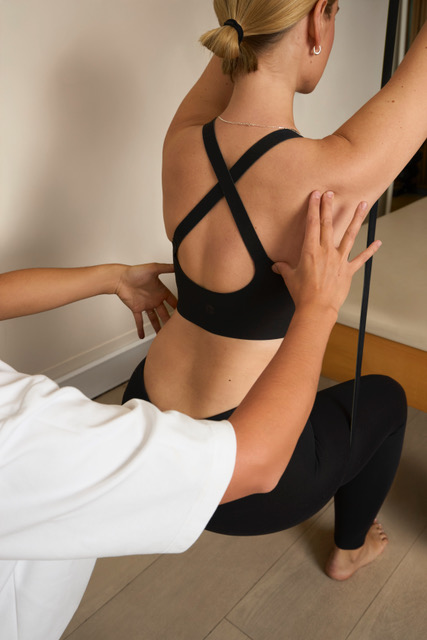
Why do curves progress? – The Vicious Cycle Theory
Idiopathic curves are thought to progress due to a triggering event causing the Vicious Cycle Theory to kick off. Physiotherapy scoliosis specific exercise (PSSE) and bracing are designed to intervene with this cycle to help slow or halt the progression of the curve.
Why Choose Elite Spinal
Come and experience the Elite Spinal difference!
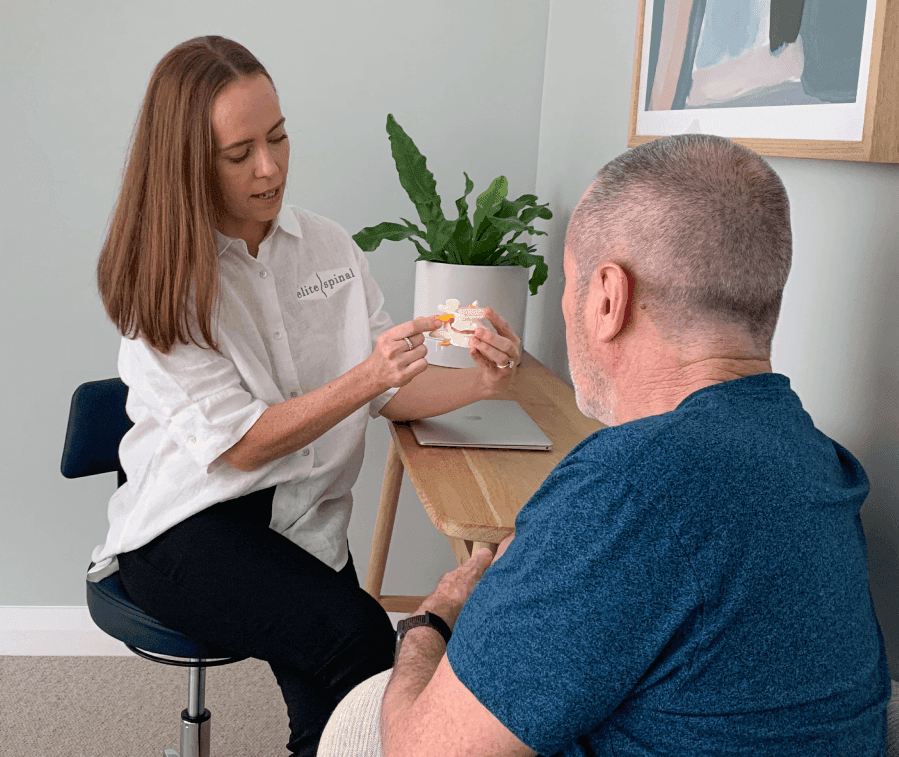
Not your typical Physiotherapy Clinic
Modern Facilities
Hands-on approach
highest level of care
non-invasive treatment
commitment to recovery
trust & communication
Book an Appointment
If you are looking for Expert Physiotherapy Treatment or Physio Group Exercise classes, please make a booking or call us.
On-the-spot rebates for Medicare and Private Health Insurance are available*
Need to get in touch? Make an Enquiry